As an Amazon Associate and affiliate for other networks, I earn from qualifying purchases. Read our full disclosure here.
Introduction: The Ultimate Plier Showdown
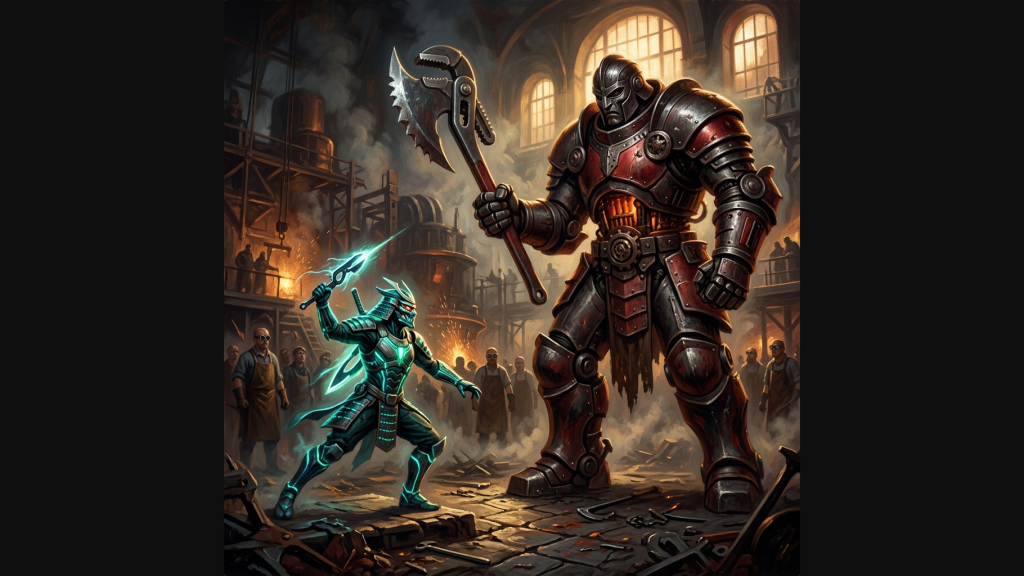
In the tool world, there is a legendary giant: Knipex. Manufactured exclusively in Wuppertal, Germany, Knipex has built a reputation as the undisputed gold standard for pliers. However, a quiet revolution is happening in tool bags across the United States. Electricians, mechanics, and DIY enthusiasts on the world’s largest online forum, Reddit (specifically the r/Tools community), are increasingly turning to a Japanese brand named Tsunoda (often branded as King TTC).
Why? Because Tsunoda is frequently praised as the ultimate “Knipex Killer”—offering precision, durability, and finishing that rivals premium German tools, but at half the price.
Our Analytical Approach
This is not a subjective opinion piece. To determine whether these half-priced Japanese pliers can truly replace German engineering, we conducted a data-driven analysis. We aggregated and analyzed thousands of user reviews from Amazon US and Japan, scraped professional feedback from enthusiast forums, and broke down the metallurgical data (steel composition and hardening processes) of both brands.
The data shows a clear picture: you don’t have to choose just one brand. By understanding the science behind the steel, you can build the ultimate tool kit without paying the “Knipex Tax” on every single item.
History & Insane Passion for Pliers
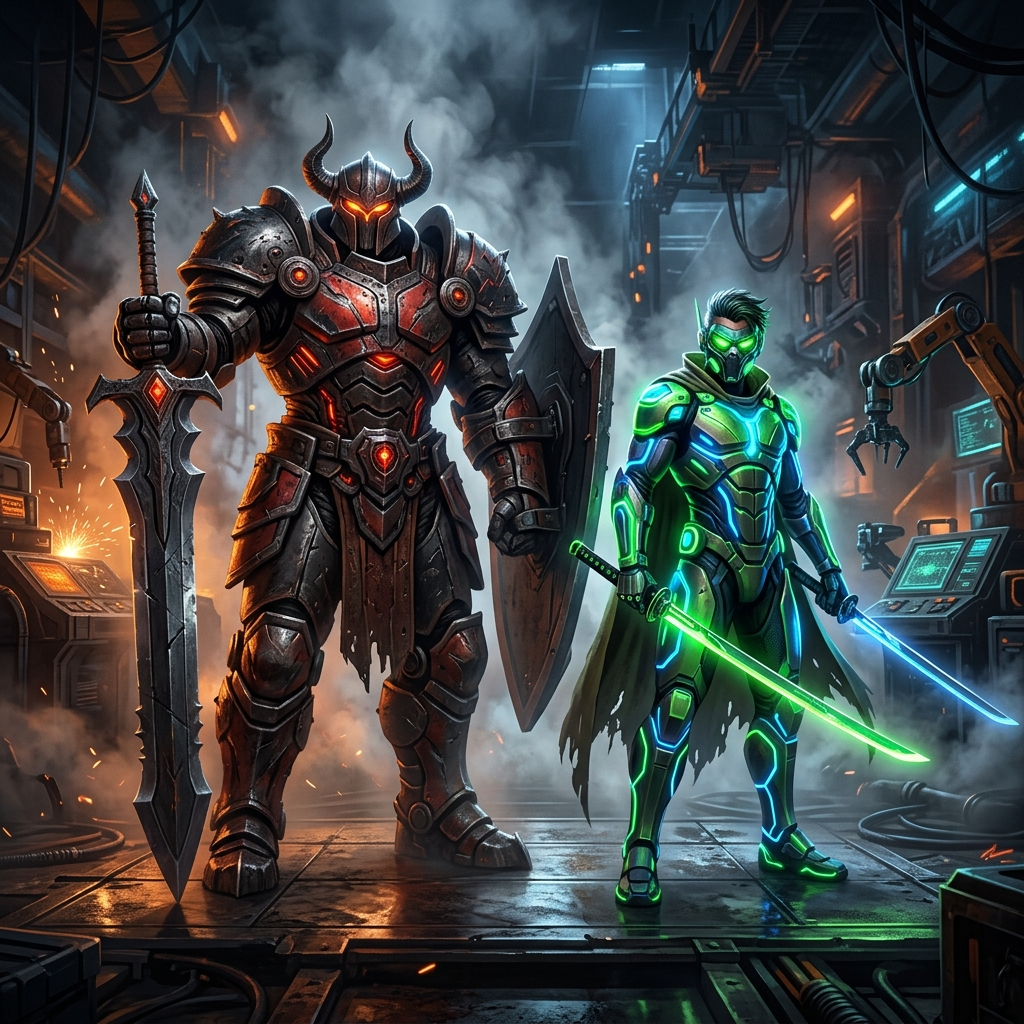
To understand why these tools perform so well, you must look at the almost fanatical obsession both companies have for their craft.
Knipex (Wuppertal, Germany)
Founded in 1882 by Carl Gustav Putsch as a small village smithy, Knipex has a unique corporate philosophy: they only make pliers. Unlike other massive tool conglomerates that stamp their logo on everything from screwdrivers to power tools, Knipex focuses 100% of its R&D on doing one thing perfectly. Still family-owned and operated in Wuppertal, they refuse to outsource their core forging, ensuring absolute control over every pair of Cobra water pump pliers or diagonal cutters that leaves the factory.
Tsunoda / King TTC (Tsubamesanjo, Japan)
Founded in 1964, Tsunoda hails from Tsubamesanjo, Niigata Prefecture—a region globally renowned for its centuries-old metalworking and katana-forging heritage. While Knipex focuses on brute industrial strength, Tsunoda’s “King TTC” brand brings Japanese monozukuri (craftsmanship) to hand tools. Their obsession lies in the “perfect cut.” They engineer highly specialized pliers with tolerances so tight that they feel like precision surgical instruments rather than construction tools.
The Philosophy of Steel & Standards
The price difference between Knipex and Tsunoda isn’t just about marketing; it comes down to fundamentally different approaches to metallurgy and industrial standards.
Metallurgy: Oil-Hardening vs. Induction-Hardening
Knipex’s Proprietary Formula (Oil-Hardening)
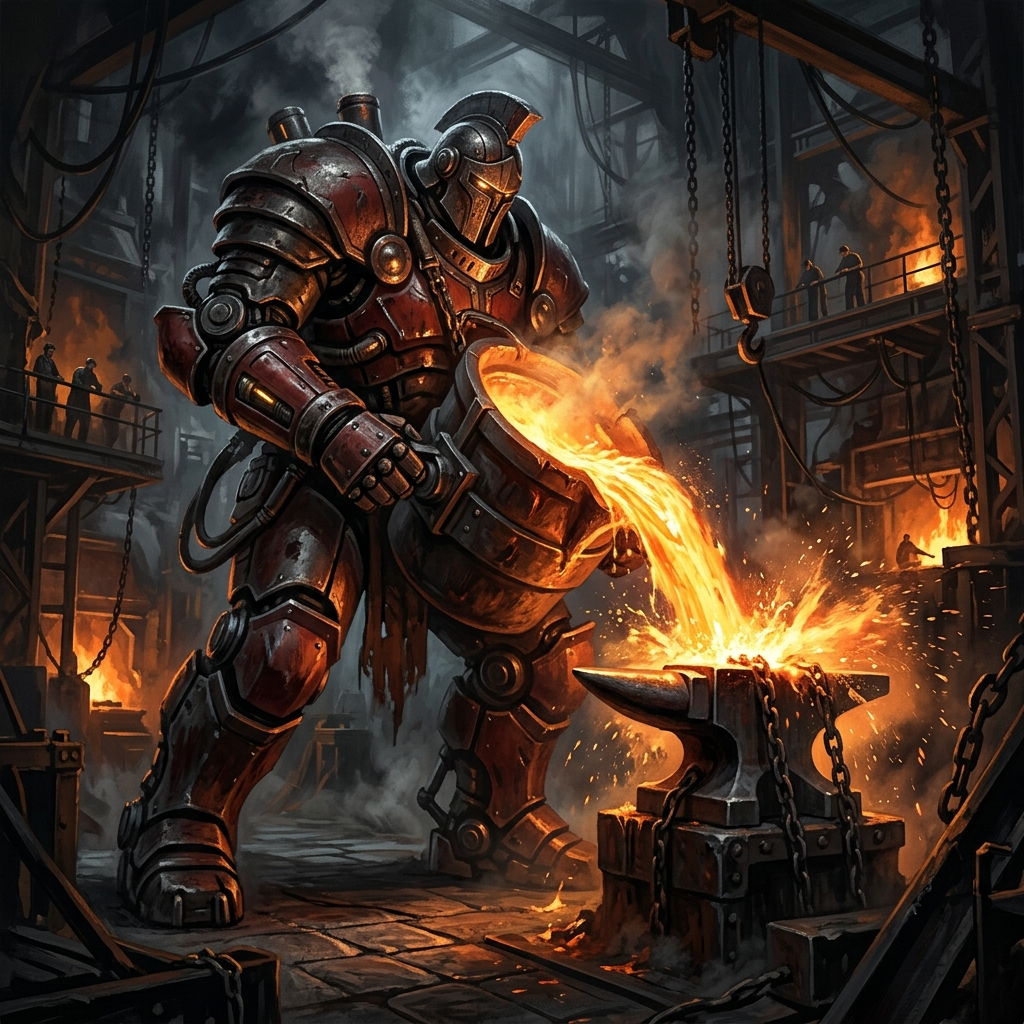
Knipex does not use off-the-shelf steel. They engineer proprietary chrome-vanadium electric steel recipes tailored specifically to each tool type. After forging, Knipex tools undergo a complex, multi-stage oil-hardening process. This alters the molecular structure of the entire tool, perfectly balancing extreme hardness (to prevent the teeth from wearing down) with elasticity (to prevent the handles from snapping under heavy torque). This research-heavy process is the primary reason for their premium price.
Tsunoda’s Rational Efficiency (Induction-Hardening)
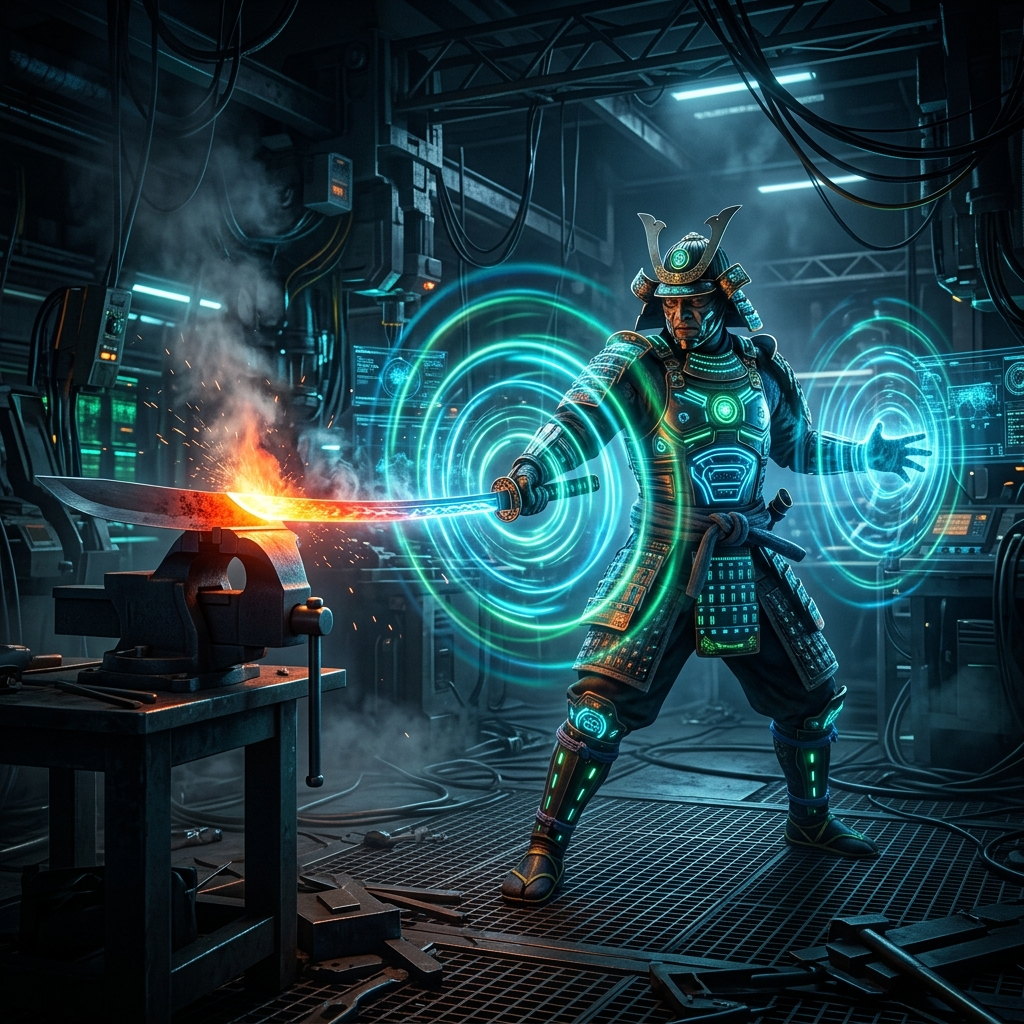
Tsunoda utilizes high-grade Japanese carbon steel (sourced from industry leaders like Kobe Steel). Instead of hardening the entire tool through expensive oil quenching, Tsunoda relies on the natural toughness of the steel body and applies high-frequency induction hardening only to the cutting edges. This “oxide-free heat treatment” achieves extreme edge retention (cutting sharpness) while drastically reducing manufacturing costs. This is the secret behind their “Half-Price” value.
Tool Standards: DIN/ISO vs. JIS
- DIN/ISO (German Standards): Knipex builds its tools to meet and exceed rigorous German DIN standards, which heavily prioritize safety (such as VDE 1000V insulation testing) and high-leverage torque for industrial environments.
- JIS (Japanese Industrial Standards): Tsunoda operates under JIS, which traditionally emphasizes strict dimensional tolerances, perfect joint alignment, and razor-sharp cutting capabilities—ideal for electronics, wiring, and precision assembly.
Where Tsunoda Dominates: The “Knipex Killers”
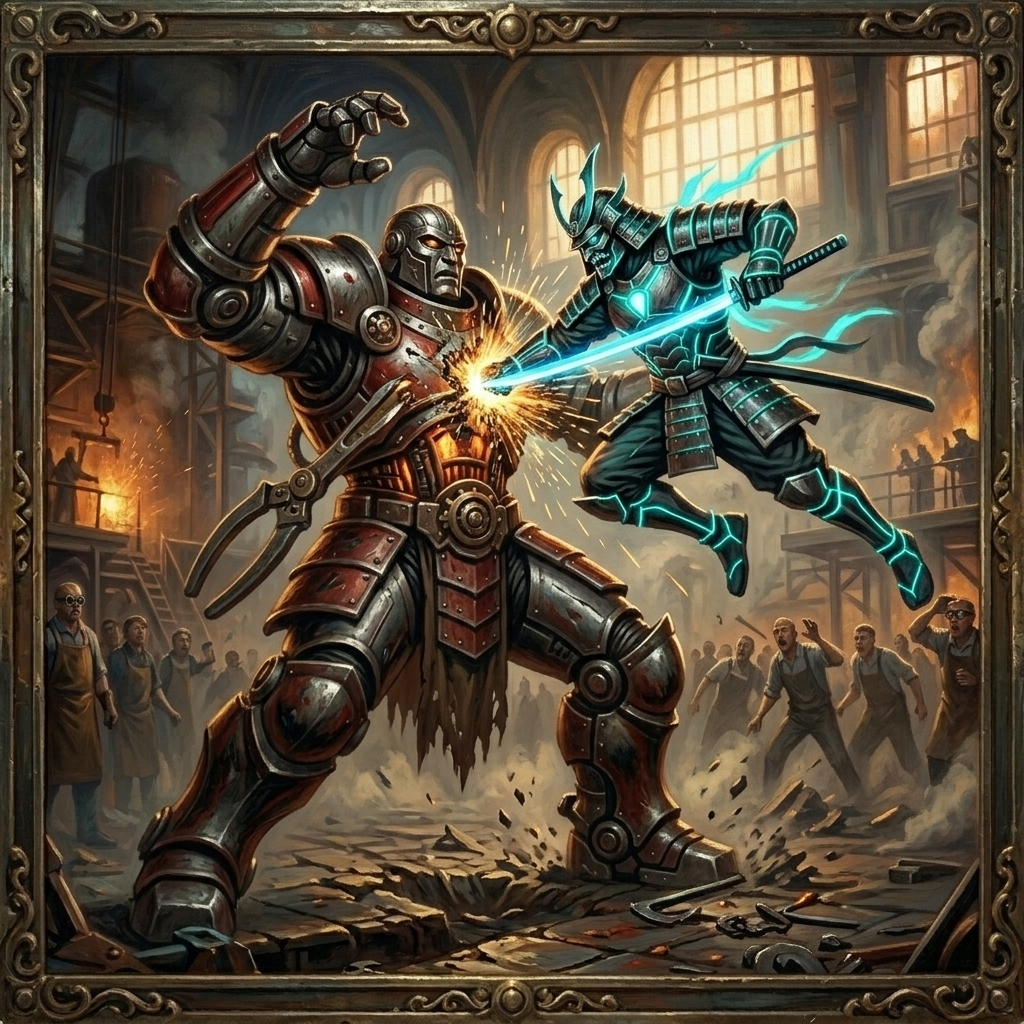
While Knipex offers a tool for every imaginable scenario, there are specific categories where Tsunoda simply outperforms or offers such extreme value that they have earned the title of “Knipex Killers” among professionals.
Zip-Tie & Flush Cutters (Tsunoda KBN-150 & FC-120)
If you do electrical wiring or PC building, you cut zip ties. Traditional diagonal cutters leave sharp, dangerous plastic nubs.
- The Knipex Offering (78 Series Super Knips): Excellent surgical precision, but they can feel delicate when cutting thicker plastics or heavy zip ties.
- The Tsunoda Solution: The Tsunoda KBN-150 is legendary in the US market. It is not just a cutter; it features gripping teeth at the base of the blade to pull and tension the cable tie, followed by a razor-sharp flush edge to snip it seamlessly. At roughly $15, it is a massive workflow multiplier that Knipex currently cannot match at this price point. For general plastics, the Tsunoda FC-120 serves as a rugged, absolute workhorse of a flush cutter.
Ultra-Thin Slip Joint Pliers (Tsunoda PLC-200GUS)
When working in impossibly tight spaces (like automotive engines or dense machinery), thickness matters.
- The Knipex Offering (TwinGrip): The Knipex TwinGrip is an absolute beast for extracting stripped screws, but its head is relatively thick due to the aggressive front-gripping teeth.
- The Tsunoda Solution: The Tsunoda PLC-200GUS features “Ultra-Thin” jaws that slide into gaps modern hybrid pliers simply cannot reach. They maintain traditional slip-joint versatility while capitalizing on Japanese dimensional precision to keep the profile incredibly slim.
Soft-Jaw / Non-Marring Pliers
When working on delicate plumbing fixtures, chrome fittings, or soft metals, standard hardened steel teeth will instantly scratch the surface. Tsunoda is widely recognized for its specialized Soft-Jaw models (featuring replaceable resin jaws) that provide exceptional grip without leaving a single mark. While Knipex offers excellent smooth-jaw options (like the Pliers Wrench), Tsunoda’s dedicated resin-jaw slip joints are often much cheaper and lighter for quick plumbing tasks.
Basic Needle-Nose & Diagonal Cutters
This is where the “Half-Price” value truly shines. For your everyday needle-nose pliers or standard diagonal wire cutters (used for generic copper wire or pulling pins), Tsunoda provides 90% of Knipex’s performance for 50% of the cost. The induction-hardened edges of Tsunoda’s standard line are more than sharp enough for daily professional use, making them the ultimate “workhorse” tools to stock your bag with.
Where Knipex Remains the Undisputed King
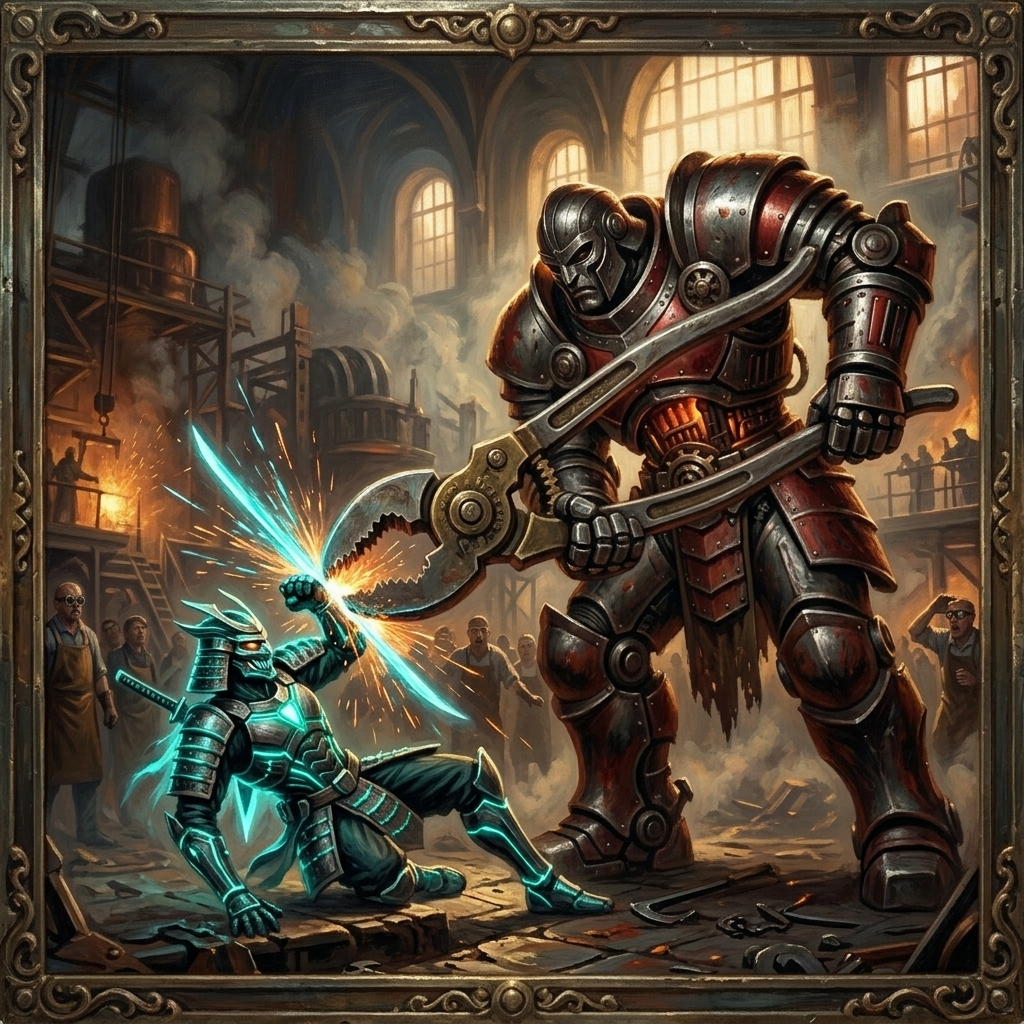
Tsunoda is incredible, but there are specific, heavy-duty applications where Knipex justifies every penny of the “Knipex Tax.”
Water Pump Pliers [The Cobra]
You cannot talk about Knipex without mentioning the Cobra.
- The Tsunoda WP-250: A very solid, traditional groove-joint plier. It works well and is cheap.
- The Knipex Cobra: This is a feat of engineering. With a push-button rapid adjustment and a self-clamping jaw geometry, the Cobra bites onto pipes and nuts so aggressively that you can stand on the pliers without them slipping. Furthermore, the teeth are induction-hardened to a staggering 61 HRC. Even after years of biting into hardened steel bolts, the Cobra’s teeth do not round off. In this category, Knipex is unmatched.
The Pliers Wrench
Knipex effectively reinvented the adjustable wrench with the Pliers Wrench. Featuring smooth, parallel-moving jaws that apply massive multiplying force, it replaces an entire set of metric and imperial spanners. It will not round off nuts or scratch chrome. Tsunoda has no direct, mechanical equivalent to this patented masterpiece.
High-Leverage & Heavy-Duty Cutters (TwinForce & CoBolt)
When you need to cut hardened piano wire, thick nails, or steel bolts, standard induction-hardened edges will chip. Knipex’s TwinForce diagonal cutters and CoBolt mini bolt cutters use patented double-hinged compound joints that multiply your hand force exponentially. The proprietary oil-hardened steel prevents the blades from shattering under extreme loads.
Ergonomics and VDE Safety
Professional electricians in the US often gravitate to Knipex for two reasons:
- Multi-Component Comfort Grips: While Tsunoda uses excellent PVC dipping, Knipex’s bulky, engineered comfort grips drastically reduce hand fatigue and blistering during all-day use.
- VDE 1000V Certification: Knipex strictly adheres to German VDE testing, ensuring every insulated tool is individually tested at 10,000 volts. When your life is on the line, professionals willingly pay the German premium.
The “Either Or” & “Look Elsewhere” Categories
Not every tool has to be a Knipex or a Tsunoda. In certain categories, the data shows that neither brand holds an absolute monopoly, or you are simply better off buying from a specialized competitor.
Linesman Pliers (Electrician’s Pliers)
Both Knipex and Tsunoda make fantastic linesman pliers. However, in the US market, the Klein Tools linesman plier remains an absolute institution. US electricians overwhelmingly prefer the weight, balance, and specialized crimping features of the Klein models. Unless you strictly prefer the lighter European style (Knipex) or the Japanese precision (Tsunoda), Klein is the default choice here.
Locking Pliers (Vise-Grips)
Neither Knipex nor Tsunoda is primarily famous for their locking pliers. Knipex makes some, but they do not dominate this space. If you need heavy-duty locking pliers, the data points overwhelmingly to dedicated brands like Malco (Eagle Grip), Grip-on (Spain), or the traditional Irwin Vise-Grip.
Dedicated Wire Strippers
While both brands offer multi-tools and wire strippers, dedicated wire stripping tools from American brands like Klein or Ideal, or Japanese brands like Engineer, often offer better ergonomics for repetitive Romex or standard AWG stripping.
Conclusion: How to Build Your Ultimate Tool Kit
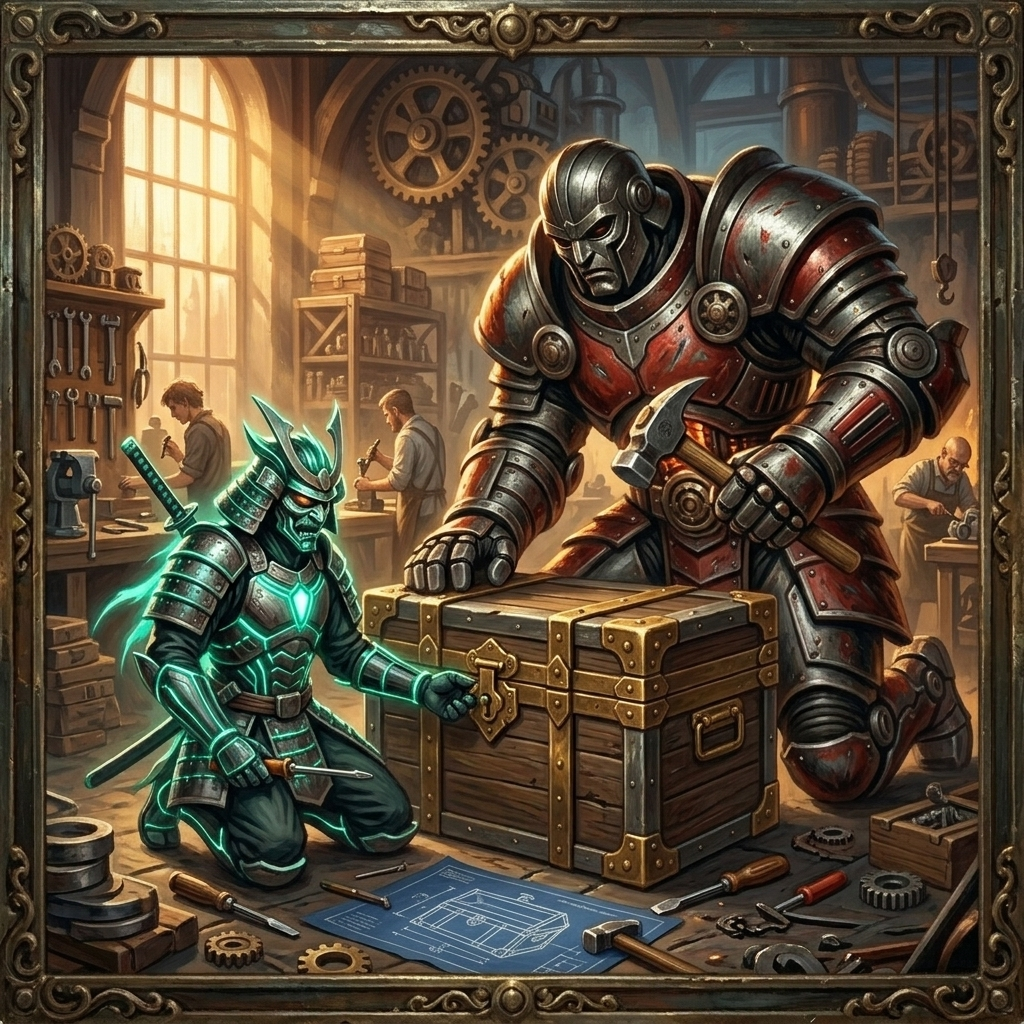
The data is conclusive: The “Knipex Killer” title is earned, but it comes with caveats. You do not have to blindly pay the “Knipex Tax” for every tool in your bag, nor should you stubbornly avoid German engineering where it matters.
The Hybrid Approach (The Smart Choice):
- Invest in Knipex for Mechanisms and Extreme Durability: Buy the Knipex Cobra and the Pliers Wrench. Pay the premium for their patented mechanisms, self-clamping geometry, and 61 HRC teeth that will outlast your career.
- Buy Tsunoda for Cutters and General Pliers: Save your money and buy the Tsunoda KBN-150 for zip ties, FC-120 for flush cuts, and their standard needle-nose pliers. They offer 90% of the performance and precision for half the cost.
By mixing the brute, innovative engineering of Wuppertal with the sharp, cost-effective precision of Tsubamesanjo, you build the ultimate, data-driven tool kit.
The Ultimate Pliers Catalog: Tsunoda vs Knipex
To summarize, unless you are subjecting your tools to extreme, heavy industrial abuse every single day, Tsunoda provides more than enough performance and is an incredibly smart, high-value purchase. On the other hand, if you want the prestige of the Knipex brand and tools engineered for decades of brutal, unyielding performance, the German premium is absolutely worth paying.
We’ve compiled a quick reference catalog below so you can easily check prices and pick up the exact tools discussed in this article!
| Tool Category | 🏆 The Winner | ❌ The Loser (Alternative) |
|---|---|---|
| Zip-Tie / Flush Cutters | TSUNODA WINS! 👉 KBN-150 / FC-120 |
KNIPEX LOSE 👉 78 Series |
| Water Pump Pliers | KNIPEX WINS! 👉 Cobra |
TSUNODA LOSE 👉 WP-250 |
| Ultra-Thin Slip Joints | TSUNODA WINS! 👉 PLC-200GUS |
KNIPEX LOSE 👉 TwinGrip |
| Adjustable Wrench Pliers | KNIPEX WINS! 👉 Pliers Wrench |
(No direct equivalent) |
| Soft-Jaw / Non-Marring | TSUNODA WINS! 👉 Soft-Jaw Series |
(N/A – Too expensive) |
| High-Leverage Cutters | KNIPEX WINS! 👉 TwinForce / CoBolt |
(Standard models only) |
| Basic Cutters & Needle-Nose | TSUNODA WINS! 👉 Needle-Nose / Diagonal |
(N/A – Diminishing returns) |
| Electrical Safety (VDE 1000V) | KNIPEX WINS! 👉 VDE 1000V Tools |
(N/A – Stick to German VDE) |
Frequently Asked Questions
Are Tsunoda tools made in Japan?
Yes. The vast majority of Tsunoda’s core lineup (branded as King TTC) is manufactured in Tsubamesanjo, Niigata Prefecture, Japan—a region famous for its historic metalworking.
Is Knipex worth the premium price?
For specific tools like the Cobra, Pliers Wrench, and high-leverage cutters, the data and professional consensus say yes. Their multi-stage oil hardening and patented mechanisms justify the cost for professionals. For basic pliers, cheaper high-quality alternatives like Tsunoda offer a better return on investment.
What is the best Tsunoda tool to start with?
The Tsunoda KBN-150 Cable Tie Nipper is widely considered one of the best entry points into the brand. It tension-pulls and flush-cuts zip ties perfectly, making it an immediate workflow improvement for a very low price.
What is the difference between DIN and JIS in tools?
DIN (Deutsches Institut für Normung) are German standards that heavily prioritize industrial safety (like VDE insulation) and high-torque durability. JIS (Japanese Industrial Standards) prioritize strict dimensional tolerances, joint alignment, and precision cutting edges.
Upgrade Your Entire Kit
If you’re building out a professional tool bag, Japanese engineering extends far beyond just pliers. Here are three more premium Japanese tools you should seriously consider adding to your arsenal:
- Vampliers (Engineer Inc.): The ultimate “Rescue Tool.” Made in Japan, these specialized extraction pliers feature patented vertical and horizontal serrations designed to bite into and remove stripped, rusted, or security screws that normal pliers simply slip off of.
- Ko-ken Z-EAL Ratchets: When it comes to socket wrenches, Ko-ken’s Z-EAL line offers some of the lowest back-drag and tightest tolerances in the industry. It’s an absolute game-changer for working in tight engine bays where a standard ratchet won’t click.
- Asahi LIGHTOOL Wrenches: For everyday carry (EDC) or motorcycle tool kits, weight is everything. Asahi’s LIGHTOOL series uses structural engineering to remove excess steel, resulting in wrenches that are drastically lighter than standard ones while maintaining full JIS strength standards.
Disclosure & Editorial Independence: This post contains affiliate links. As an Amazon Associate and affiliate for other networks, we earn from qualifying purchases. However, our editorial content is strictly independent and is never influenced by affiliate partnerships or manufacturers.
Transparency & Accuracy Note: The content in this article was compiled with the assistance of advanced AI to analyze user reviews and historical data. While we strive for accuracy, there may be occasional errors, and product prices/availability are subject to change. Any images marked as "AI Generated" are for illustrative purposes only.
⚠️ Safety Disclaimer: The use of hand tools, power tools, and related equipment can be inherently dangerous. The information provided is for educational purposes only. Always read, understand, and strictly follow the official safety manuals provided by the manufacturer before using any tool.